



Tips for Designing Flex Circuits for Medical Applications
Flex circuits play a critical role in modern medical devices, enabling compact form factors, complex motion, and reliable electrical performance in applications ranging from wearables to diagnostic and surgical equipment. However, medical environments place unique demands on flex circuit designs that can go beyond standard commercial electronics.
Design teams often encounter challenges related to mechanical reliability, material selection, complexity in stack-ups and rigid-flex designs, electrical and signal performance, and compliance expectations. Without a clear understanding of how these factors interact, flex circuits can become a source of redesigns, regulatory delays, and unexpected failures.
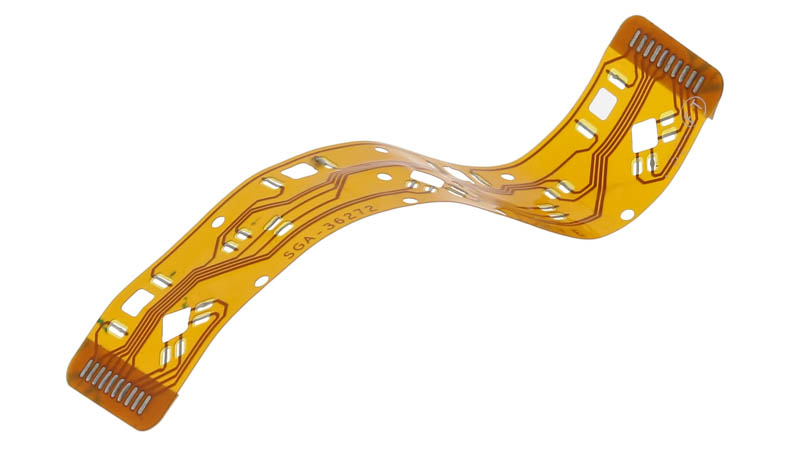
Medical applications frequently require flex circuits to endure repeated bending over long lifecycles, tight packaging constraints, exposure to heat or chemicals, and strict performance requirements. Small design decisions, such as trace geometry, stack-up selection, or material choice, can have a significant impact on both long-term and short-term reliability and manufacturability.
In this webinar, we will walk through five key design considerations engineers should keep in mind when developing flex circuits for medical applications. By the end of this webinar, design teams should know some of the common pitfalls, be able to reduce risk for their designs, and move confidently from concept to production.
Watch the Recording Below
View the Presentation Slides
View the Slide Deck on SlideShareCheck Out the Full Q&A
We have compiled all the questions submitted at the conclusion of this webinar into a readable format available on our blog.
Webinar Agenda:
- Designing for flex life and mechanical reliability
- Material considerations for medical environments
- Stack-up and rigid-to-flex transition best practices
- Electrical performance and signal integrity challenges
- Manufacturability and compliance considerations for medical devices