



Smart Battery Packs
Smart battery packs integrate embedded electronics that allow a device to monitor, manage, and optimize its own power usage. By combining a battery management system (BMS), communication protocols, and protection circuitry, these battery packs improve safety, reliability, and usable cycle life. Clear early decisions around performance requirements and cost targets are critical to a successful design.
A smart battery pack provides continuous information to an electronic device so it can intelligently manage power. This includes reporting voltage, current, temperature, charge state, remaining run-time, and error conditions. The battery pack actively maintains prediction accuracy over time and enables the device to conserve power based on real operating conditions.
In addition to basic monitoring, smart battery packs can incorporate fuel gauges, communication protocols, cell balancing, and protection circuitry. These features transform the battery from a passive energy source into an active power system.
At a Glance: Smart Battery Packs
- Embedded intelligence for power control: Smart battery packs integrate a battery management system (BMS), fuel gauging, and protection circuitry so the device can monitor voltage, current, temperature, run-time, and fault conditions in real time.
- System-level communication and optimization: Support for protocols such as I2C, SMBus, RS232, RS485, and CANBUS enables accurate reporting, cell balancing, and smarter charging and discharging behavior.
- Higher reliability through proper design tradeoffs: Early decisions around cell chemistry, charging strategy, and cost targets directly affect safety, cycle life, and overall system performance.
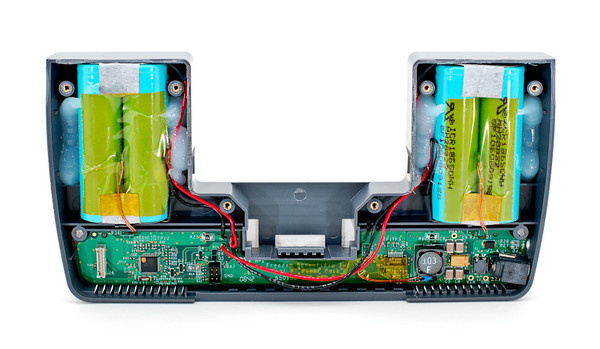
Added Value Electronics
Smart battery packs are increasingly used as complete power systems rather than standalone batteries. Embedded electronics enhance overall performance while giving system engineers more control over safety, reliability, and user experience.
Typical added-value electronics include:
- Battery management system (BMS) for monitoring and protection
- Fuel gauge integration for accurate run-time prediction
- Cell balancing to maintain consistent cell performance
- Protection circuitry to prevent unsafe operating conditions
Together, these features help improve cycle life, predictability, and long-term dependability.
Battery Chemistry and Cell Selection
Cell selection is one of the most critical design decisions in a smart battery pack. Different chemistries are available in many sizes and formats, allowing performance to be closely matched to device requirements.
Custom battery packs allow designers to tune energy density, size, and weight, but tradeoffs exist. Smaller and lighter batteries with the same energy density typically cost more to develop and manufacture than larger, heavier alternatives. Working with an experienced battery designer early helps balance performance goals against cost and development risk.
Communication Protocol Architecture
Communication protocols allow the battery pack to exchange detailed information with the host device while keeping hardware costs manageable. Protocol selection also supports modular functionality and scalable system design.
Smart battery packs can support protocols such as:
- I2C
- SMBus
- RS232
- RS485
- CANBUS
SMBus, for example, allows multiple nodes to respond to unique addresses, enabling structured communication between the battery and device electronics.
Embedded Electronics and Advanced Protection
Modern smart battery packs integrate embedded electronics that significantly improve safety and functionality. These systems can restrict charging or discharging outside approved operating conditions to protect lithium cells from damage.
Design features may include encryption, backup power strategies, shock and vibration resistance, and comprehensive battery status monitoring. Data may be stored in memory or accessed remotely, providing flexibility for system-level diagnostics and control.
Integrated Charging, Fuel Gauging, and GPIO
Embedded battery chargers help extend battery life by charging cells only within ideal electrical and temperature limits. Accurate fuel gauges allow batteries to be discharged closer to empty with confidence, reducing the need to oversize packs and enabling smaller, lighter designs.
General-purpose input/output (GPIO) interfaces can expose additional information or control functions, offering design flexibility that may not be possible with simpler battery systems.
Production, Cost, and Development Considerations
Technically ideal battery designs can become cost prohibitive if target pricing is not established early. Knowing development and production budgets up front allows engineering tradeoffs to be made proactively.
In many cases, a more robust charger or higher-quality battery may offset its initial cost through reduced replacements and improved long-term performance. Improper charging remains one of the most common causes of rechargeable battery failure, making charging strategy a key design consideration.
Smart Battery Pack Features and Options
Smart battery pack systems can include:
- Embedded or onboard battery charging
- Fuel gauging and remote monitoring
- GPIO options and system output power
- Unregulated input power and wireless charging
- Safety circuits (PCM) and intrinsically safe designs
- Authentication and encryption coding
- High C-rate discharging
- Integrated power management
- Ruggedized molded or metal enclosures
- Safety certifications such as IEC/UL 62133, UL2054, and IATA UN 38.3
- Labeling and packaging to meet regulatory requirements
- Manufacturing in the U.S. and China
Frequently Asked Questions
Quick Links
- What should I know about a battery management system (BMS)?
- When would I use cell balancing?
- What does current mean in this context?
- What does operating temperature mean?
- What should I know about GPIO?
What should I know about a battery management system (BMS)?
A BMS monitors voltage, current, and temperature while protecting the battery from unsafe charging and discharging conditions. It is central to safety, reliability, and long-term performance.
When would I use cell balancing?
Cell balancing is used to maintain consistent performance across multiple cells in a battery pack. This helps preserve accuracy in fuel gauging and extends usable cycle life.
What does current mean in this context?
Current represents how much electrical flow the battery provides to the device. Monitoring current allows the system to manage load conditions and protect the cells.
What does operating temperature mean?
Operating temperature defines the temperature range in which the battery can safely charge and discharge. Smart battery packs actively manage operation to stay within approved limits.
What should I know about GPIO?
GPIO interfaces provide access to additional status information or control signals. This enables expanded system-level interaction between the battery and device electronics.
Optimize Your Device’s Power Performance
Work with Epec’s engineering team to define specifications, costs, and functionality early and develop a smart battery pack tailored to your device’s power requirements.
Request a Quote Request Design Support Request More InformationRequest a FREE Quote!
We are here to help you will all your custom battery pack needs.
Get Your Quote Now! Not Ready for a Quote? Request more info or email us your inquiry.Ebook - SMART Battery Pack Design Factors
 Download Your Copy
...or Download Our Custom Battery Pack Design Guide