



Custom Nickel Metal Hydride (NiMH) Battery Packs
Custom Nickel Metal Hydride (NiMH) battery packs continue to be a popular option for applications where low cost, long service life, and reduced operating risk are priorities. Compared to some lithium chemistries, NiMH batteries offer lower development and product costs while maintaining dependable performance. Their broader operating temperature range further supports use in environments where thermal conditions may vary, making them well-suited for many commercial and industrial systems.
NiMH battery packs are commonly selected when discharge rates are relatively low, and overall system cost is a key design driver. This balance of performance, durability, and affordability has made NiMH a long-standing and reliable battery chemistry.
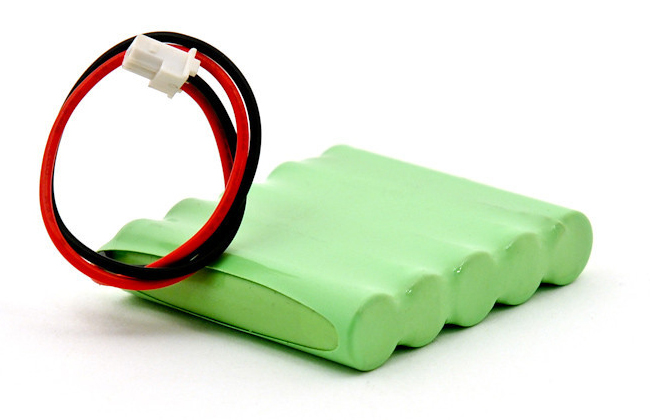
At a Glance: Custom NiMH Battery Packs
- Custom Nickel Metal Hydride (NiMH) battery packs provide a costeffective and durable energy solution with low operating risk.
- NiMH chemistry supports a wide operating temperature range and flexible pack configurations.
- Compared to some lithium batteries, NiMH battery packs typically involve lower development and product costs.
Specific Characteristics of NiMH Cells
The nominal voltage of a Nickel Metal Hydride cell is 1.2 V, with usable energy available from approximately 1.0 V to 1.45 V per cell. NiMH cells are offered in a wide range of cylindrical sizes, enabling capacities from a few hundred milliamphours to above 10 amphours. This range gives designers flexibility when configuring custom NiMH battery packs to meet specific application requirements.
NiMH battery packs can support charge and discharge rates as high as 1C. As a result, these packs are capable of handling demanding operating conditions while still requiring minimal recharge time compared to many alternative chemistries.
Charging Methods and Performance
NiMH battery packs typically prefer a constant current charging method. A standard charge rate is often C/10 for a duration of 14 hours. Faster charging is also possible, with some NiMH batteries capable of reaching full charge in as little as one hour when using dT/dt (delta temperature over delta time) or peak voltage detection for charge termination.
In addition to these termination methods, several other metrics can be monitored during charging. As a safeguard, it is considered good practice to include a timer as a backup method in case primary charge termination techniques do not activate as intended.
Battery Protection and Management Circuits
Protection circuit modules (PCM) and battery management system (BMS) circuits are most commonly associated with lithium battery chemistries due to higher fire risk. However, protection solutions are also available for custom NiMH battery packs to improve safety and extend service life.
Both stand-alone and integrated PTC (positive temperature coefficient) protection devices, as well as protection circuit modules, can be incorporated into NiMH battery pack designs. These elements help mitigate overcurrent and thermal risks while supporting reliable long-term operation.
NiMH PCM and BMS Features
Epec’s engineering team has experience developing NiMH PCM and BMS systems that can be adapted to virtually any application in a cost-effective manner. PTC devices provide temporary overcurrent protection with automatic recovery. In contrast, a BMS typically manages similar protections using a microprocessor, allowing for more advanced functionality.
A BMS enables enhanced monitoring, control, and reporting of battery parameters. This includes real-time access to data through traditional communication protocols such as I2C and CAN bus, giving users greater visibility into battery performance and condition.
Common NiMH PCM and BMS Capabilities:
- Over-discharge protection
- Overcurrent protection
- Overtemperature protection
- Fuel gauging
- Current sensing and limiting
- Temperature monitoring
- State of charge and state of health monitoring
- Voltage monitoring
- Internal resistance monitoring
Typical NiMH Cell Specifications
The following parameters summarize commonly referenced characteristics of nickel-metal-hydride cells used in custom battery packs.
| Parameter | Value | Units |
|---|---|---|
| Nominal cell voltage | 1.2 | V |
| Usable voltage range | 1.0 – 1.45 | V |
| Energy by weight | 60 – 120 | Wh/kg |
| Energy density | 140 – 300 | Wh/L |
| Cycle life | 500 – 2000 | cycles |
| Operating temperature range | −20 to +60 | °C |
Choosing the Best Solution for Your Application
As portable electronic devices continue to become smaller, lighter, and more advanced, battery packs must deliver increasing levels of energy without sacrificing safety or reliability. Epec’s battery design team applies modern design tools to optimize the reliability, safety, and manufacturability of custom NiMH battery packs.
Although NiMH batteries are not regulated as strictly as lithium products, certain transportation regulations still apply when shipping Nickel Metal Hydride battery packs. These requirements are considered as part of the overall design and production process.
Pros & Cons of Nickel Over Lithium-Based Batteries
Nickel Metal Hydride batteries are often selected over lithium-based batteries when they have lower cost, lower operating risk, and simpler protection requirements are desired. While lithium chemistries may offer higher energy density in some cases, NiMH remains a practical alternative for applications that prioritize durability, temperature tolerance, and proven performance.
Frequently Asked Questions
Quick Links
- What is the nominal voltage of a NiMH cell?
- What charge rates can NiMH battery packs support?
- What is the standard charging method for NiMH batteries?
- Can NiMH batteries be fast-charged?
- Do NiMH battery packs require protection circuits?
- What monitoring features can a NiMH BMS provide?
What is the nominal voltage of a NiMH cell?
A nickel-metal hydride cell has a nominal voltage of 1.2 volts, with usable energy typically available between 1.0 V and 1.45 V per cell.
What charge rates can NiMH battery packs support?
NiMH battery packs can accept charge and discharge rates as high as 1C, allowing them to perform demanding tasks while maintaining reasonable recharge times.
What is the standard charging method for NiMH batteries?
NiMH batteries generally prefer constantcurrent charging, with a common standard charge of C/10 for 14 hours.
Can NiMH batteries be fast-charged?
Yes. With appropriate charge termination methods such as dT/dt or peak voltage detection, NiMH batteries can be charged in as little as one hour.
Do NiMH battery packs require protection circuits?
While protection circuits are more common with lithium chemistries, NiMH battery packs can include PTC devices, PCMs, or BMS solutions to increase safety and extend service life.
What monitoring features can a NiMH BMS provide?
A NiMH BMS can monitor parameters such as current, temperature, voltage, state of charge, state of health, and internal resistance, often with real-time data access.
Not Sure If NiMH Batteries Are the Right Choice for Your Application?
Switch to custom NiMH battery packs for cost-effective, durable energy solutions. Consult our engineering experts now!
Request a Quote Request Design Support Request More Information
Request a FREE Quote!
We are here to help you will all your custom battery pack needs.
Get Your Quote Now! Not Ready for a Quote? Request more info or email us your inquiry.Ebook - BMS Design Guide for Custom Battery Packs
 Download Your Copy
...or Download Our Custom Battery Pack Design Guide