


Medical Specifications For User Interfaces
Medical user interfaces must balance ease of use with the ability to withstand demanding healthcare environments. Epec designs and manufactures high-reliability HMI solutions that support efficient user interaction while maintaining durability under frequent use and exposure to cleaning agents. In some situations, devices may be body-worn or will have direct contact with a patient's skin. These interfaces are developed in alignment with established medical standards to ensure consistent performance and usability.
At a Glance: Medical Specifications
- Medical user interfaces are designed to be intuitive and easy to use while withstanding frequent interaction, cleaning, and physical stress.
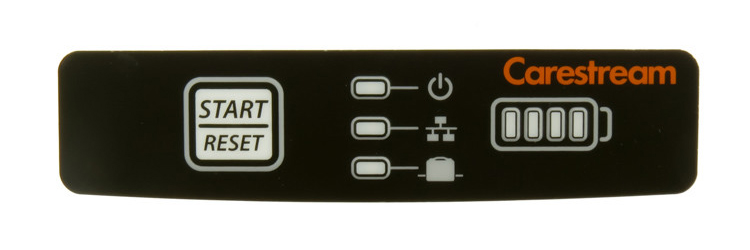
- Epec develops high-reliability HMI solutions that maintain performance in demanding healthcare environments, including portable applications that include batteries.
- Built with proven design and manufacturing practices, these interfaces align with medical standards to support usability, durability, and compliance.
Overview of Medical User Interface Requirements
User interfaces for medical devices must meet a unique combination of usability and durability requirements. They are designed to be intuitive and easy to understand, reducing the risk of user error while supporting efficient operation in clinical settings. At the same time, these devices must tolerate constant handling, repeated cleaning, and potential physical stress, especially for portable or frequently handled equipment.
Example technologies that Epec supports include:
- Membrane switches
- Keypad assemblies
- Touchscreens
- Capacitive touch switches
- Resistive touch pads
- Customized front panels and bezels
- Rubber keypads
- Injection molded buttons
- Silicone keycaps
- Graphic overlays
Reliable HMI Solutions for Medical Devices
Epec's human-machine interface (HMI) solutions for medical applications are engineered to simplify the interaction between users and equipment. The goal is to provide clear, consistent input and feedback while maintaining long-term reliability.
Key considerations in medical HMI design include:
- Ease of Use: Interfaces are structured for clarity and intuitive operation
- Durability: Designs account for frequent use and exposure to cleaning chemicals
- Environmental Resistance: Materials and construction withstand routine cleaning and handling
- Portability Impact: Interfaces are built to endure movement and potential physical stress in portable devices
- Autoclave Exposure: certain devices will need to operate after exposure to the heat and pressure of an autoclave
These factors are integrated into both the design and manufacturing processes to ensure that the final product supports safe and efficient device operation.
Design and Manufacturing Approach
Producing user interfaces for medical devices requires the application of well-established manufacturing methods tailored to healthcare environments. These approaches ensure that each keypad, touchscreen, or button assembly maintains performance over time, even under continuous use and repeated chemical exposure.
Epec's experience in the medical industry supports:
- Selection of materials suited for durability and cleanability
- Manufacturing processes that maintain consistency and reliability
- Design practices that prioritize user interaction and clarity
This combination of design and process control enables the development of interfaces that meet the functional and environmental demands of modern medical devices.
Standards and Compliance
Epec has experience designing and implementing user interfaces in accordance with recognized medical standards, including:
- IEC 60601 - Medical electrical equipment requirements
- IEC 62366 - Application of usability engineering to medical devices
- ISO 13485:2016 - Medical device quality management system
These standards guide both the design and validation of user interfaces, ensuring that usability, safety, and performance are consistently addressed.
Quality and Reliability Considerations
Medical user interfaces are expected to perform reliably over extended use cycles. This includes maintaining functionality despite:
- Frequent user interaction
- Exposure to cleaning chemicals
- Risk of physical wear or damage
- Direct patient contact
- Exposure to autoclaves
Epec's approach focuses on delivering interfaces that maintain usability and structural integrity throughout their lifecycle, supporting both clinical performance and long-term reliability.
Frequently Asked Questions
Quick Links
- What makes medical user interfaces different from standard interfaces?
- Why is usability important in medical interfaces?
- How do medical interfaces handle cleaning and disinfection?
- What standards apply to medical user interfaces?
- How does portability affect interface design?
What makes medical user interfaces different from standard interfaces?
Medical user interfaces must combine ease of use with the ability to withstand demanding environmental conditions, including frequent cleaning and constant handling. This dual requirement makes both usability and durability equally critical.
Why is usability important in medical interfaces?
Usability ensures that healthcare professionals can quickly and accurately operate devices, reducing the risk of user error and improving efficiency in clinical environments.
How do medical interfaces handle cleaning and disinfection?
They are designed and manufactured using materials and processes that allow them to endure repeated exposure to cleaning chemicals without degrading performance or appearance.
What standards apply to medical user interfaces?
Common standards include IEC 60601 for medical electrical equipment and IEC 62366 for usability engineering in medical devices, and ISO 13485:2016 that covers quality requirements.
How does portability affect interface design?
Portable medical devices are more likely to experience physical stress, so interfaces must be designed to withstand movement, handling, and potential impact while maintaining functionality.
Start Your Medical User Interface Project
Work with Epec to develop a medical user interface designed for usability, durability, and compliance with industry standards.
Request a Quote Request Design Support Request More InformationRequest a FREE Quote!
We are here to help you with all your custom user interface needs.
Get Your Quote Now! Not Ready for a Quote? Request more info or email us your inquiry.