



Choosing a Supplier for Flex and Rigid-Flex PCBs
Choosing the right supplier for flex and rigid-flex PCBs is one of the most important decisions in the success of your program. These products are not standard printed circuit boards. They require specialized design knowledge, disciplined process control, material expertise, and real manufacturing experience. A supplier that lacks depth in any of these areas can create delays, reliability issues, field failures, and unnecessary cost.
At a Glance: Choosing a Flexible PCB Supplier
- Flex and rigid-flex PCB success depends heavily on supplier expertise in design, materials, process control, and long-term reliability, not just unit price.
- Hidden manufacturing risks such as moisture exposure, outsourced processing, improper coverlay adhesion, and registration issues can lead to costly field failures that are difficult to detect during inspection.
- Choosing a supplier with proven DFM support, disciplined manufacturing processes, lifecycle production capabilities, and clear accountability helps reduce risk and improve program success.
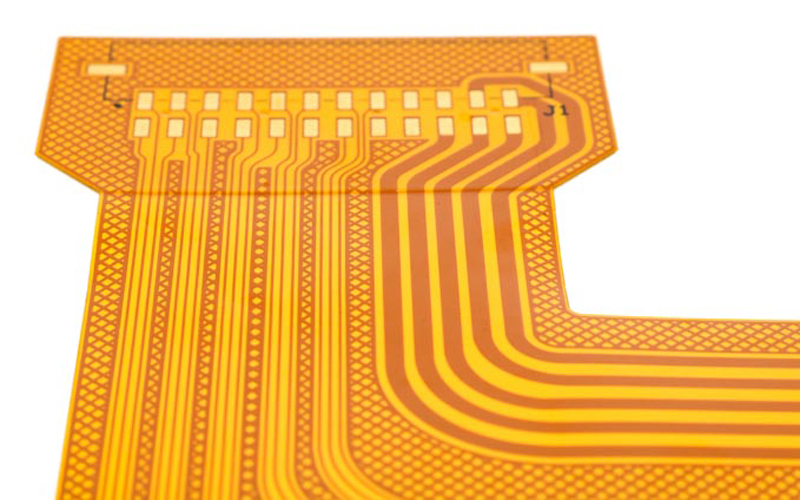
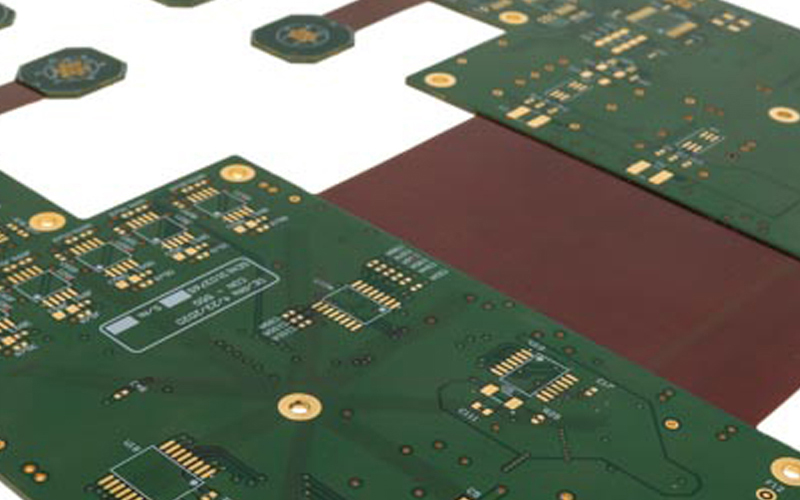
Experience Matters More Than Price Alone
Epec is the right choice because we have more than 30 years of experience in designing and manufacturing flex and rigid-flex PCBs. Our team has worked through the challenges that cause problems in these designs, including bend reliability, stack-up balance, impedance control, stiffener attachment, material handling, adhesive systems, coverlay processing, and long term mechanical performance. We understand how to design these products correctly and how to build them consistently.
With manufacturing capabilities in both the U.S. and Asia, Epec gives customers access to proven flex and rigid-flex circuit board solutions supported by real engineering and real production experience. That matters because these designs leave very little room for error.
The Risk of Outsourced Flex Circuit Processing in Asia
One of the biggest issues buyers need to understand is that many factories in Asia do not truly manufacture flex and rigid-flex circuit boards in house from start to finish. Instead, they outsource major portions of the flex manufacturing process to another shop and then bring the product back into their own facility for additional processing, finishing, or shipment.
That creates real risk.
Flex and rigid-flex materials are highly sensitive to handling and environmental exposure. Polyimide materials are hygroscopic, which means they absorb moisture from the environment. When parts are moved between multiple factories, they are exposed to additional time, handling, packaging changes, and humidity risk. Every extra transfer creates another opportunity for moisture absorption, contamination, physical damage, and registration issues.
That matters because moisture in flex materials can lead to coverlay delamination, layer separation, stiffener bonding issues, and failures during assembly reflow. In other words, moving these parts between factories is not just inefficient. It increases the risk of reliability problems.
Epec understands this risk and manages it through controlled manufacturing processes, strong process discipline, and real experience with flex and rigid-flex production. We do not treat these products like standard rigid circuit boards. We manage them like the specialized products they are.
Failures Often Do Not Show Up Until It Is Too Late
One of the biggest risks in flex and rigid-flex PCB designs is that many failure modes are not detectable during initial inspection or even standard electrical testing. The circuit may pass all incoming quality checks, only to fail after assembly or once it is flexed in the final application.
Issues such as cracked conductors, weakened vias, improper adhesive bonding, or marginal coverlay adhesion often do not present themselves until the flexible circuit is subjected to real world mechanical stress. This includes bending during installation, repeated flexing in operation, or thermal cycling during assembly reflow. At that point, the damage becomes apparent as intermittent electrical failures, open circuits, or mechanical separation.
This is what makes supplier experience so critical. A PCB shop that does not fully understand flex and rigid-flex design and processing may produce parts that look acceptable but contain latent defects. These are the most dangerous types of failures because they escape detection and show up later in the field, where the cost of failure is significantly higher.
Epec’s approach is built around preventing these issues before they occur. Our experience allows us to identify high risk areas in the design, control the manufacturing process, and ensure the product is built to withstand real world conditions, not just pass inspection.
What to Look for in a Flex and Rigid-Flex PCB Supplier
1. Real Design for Manufacturability Support
A good supplier does more than quote your data. They review the design and identify the features that are most likely to cause yield loss, long lead times, or field failures.
Flex and rigid-flex circuits require close review of bend areas, copper distribution, adhesive systems, layer transitions, stiffener placement, and material selections. Many problems are designed in long before production starts.
Epec provides experienced engineering support that helps customers identify risk early. Our team works through stack-up design, bend requirements, stiffener strategy, material choices, and manufacturability concerns before they become expensive problems. That reduces redesigns, improves yield, and helps get the product right the first time.
2. Proven Material and Moisture Control
Material control is critical in flex and rigid-flex manufacturing. These materials cannot be handled the same way as standard rigid laminates. Exposure to humidity, poor storage conditions, and uncontrolled work in process all increase the risk of assembly failure and long-term reliability issues.
Epec understands how sensitive flex materials are to moisture and environmental conditions. We use disciplined handling and process controls to minimize exposure and protect product integrity throughout manufacturing. We also help customers understand the importance of proper pre bake procedures before assembly so the product performs as intended.
3. Strong Process Control for Stiffeners, Coverlay, and Registration
Many flex and rigid-flex failures happen because of poor process control in the details. Stiffener alignment, coverlay registration, adhesive flow, and layer to layer registration are all critical. Small errors in these areas can create major assembly and reliability issues.
This is especially true in rigid-flex designs where tight tolerances, complex geometries, and multiple material systems must all come together in one construction. Shops that do not do this work regularly often struggle with consistency.
Epec has the experience to manage these process steps correctly. We understand how to control the details that matter, from stiffener attachment and registration to coverlay processing and multilayer lamination. That experience helps reduce scrap, improve repeatability, and ensure the finished product meets the mechanical and electrical demands of the application.
4. High Reliability Manufacturing Across the Full Product Life Cycle
A supplier should not just be able to make prototypes. They should be able to support the full life cycle of the product, from early design and qualification through production scaling and ongoing supply.
Many suppliers can build a few pieces under controlled circumstances. Far fewer can build the same design consistently over time while maintaining reliability, quality, and delivery performance.
Epec supports customers from prototype through full production with the manufacturing depth needed to scale. Our USA and Asia operations provide flexibility based on volume, lead time, and program requirements while maintaining technical support and process knowledge needed for long term success.
5. Clear Accountability and One Source of Responsibility
When problems arise, customers need to know who owns the process. If the work is split across multiple unknown factories or outsourced partners, accountability becomes unclear. That slows down response time and makes root cause analysis far more difficult.
Epec provides a clear and accountable supply model backed by decades of experience. Customers work with a team that understands the design, understands the manufacturing process, and knows how to solve problems quickly. That level of ownership is critical when dealing with complex flex and rigid-flex products where delays and quality issues are costly.
Why Customers Choose Epec
Epec has spent more than 30 years building knowledge in flex and rigid-flex PCB design and manufacturing. We know where these products fail. We know what details drive cost. We know what process controls matter. And we know how to build these designs for long-term reliability.
Our manufacturing capabilities in the USA and Asia give customers the right combination of engineering support, production flexibility, and supply chain reach. Just as important, we understand that flex and rigid-flex PCBs are specialized products that require specialized knowledge.
Choosing the wrong supplier can create hidden costs that far exceed the initial purchase price. Choosing Epec means working with a company that understands the technology, controls the process, and has the experience to deliver these products the right way.
Frequently Asked Questions
Quick Links
- Why is supplier selection so important for flex and rigid-flex PCBs?
- What risks are associated with outsourced flex circuit manufacturing?
- Why do some flex and rigid-flex PCB failures go undetected during inspection?
- What should buyers look for in a flex and rigid-flex PCB supplier?
- How does DFM support improve flex and rigid-flex PCB reliability?
Why is supplier selection so important for flex and rigid-flex PCBs?
Flex and rigid-flex PCBs are significantly more complex than traditional rigid circuit boards. They require expertise in bend reliability, material selection, stack-up design, adhesive systems, coverlay processing, and manufacturing process control. Small mistakes during design or fabrication can result in reliability problems that may not become apparent until assembly or field use. Choosing an experienced supplier helps reduce technical risk, improve manufacturability, and support long-term product reliability.
What risks are associated with outsourced flex circuit manufacturing?
Some suppliers outsource portions of the flex manufacturing process to external facilities before returning the product for final processing. Each transfer exposes sensitive polyimide materials to additional handling, packaging changes, and environmental conditions. Since flex materials can absorb moisture, excessive exposure may contribute to issues such as coverlay delamination, layer separation, stiffener bonding problems, or assembly-related failures. Minimizing unnecessary processing steps and maintaining tight material controls can help reduce these risks.
Why do some flex and rigid-flex PCB failures go undetected during inspection?
Many failure mechanisms in flexible circuits are latent defects that do not appear during visual inspection or standard electrical testing. Problems such as marginal coverlay adhesion, weakened vias, adhesive issues, or conductor damage may only emerge after bending, thermal cycling, or assembly reflow processes. These failures often appear as intermittent electrical issues or mechanical separation later in the product lifecycle, making preventative engineering and process control especially important.
What should buyers look for in a flex and rigid-flex PCB supplier?
A qualified supplier should provide comprehensive design for manufacturability (DFM) support, proven material and moisture control practices, strong process controls, scalable manufacturing capabilities, and clear ownership of the manufacturing process. The supplier should actively review bend requirements, stack-ups, stiffener placement, material selection, impedance requirements, and reliability concerns before production begins. Early engineering involvement often prevents costly redesigns and manufacturing issues.
How does DFM support improve flex and rigid-flex PCB reliability?
DFM reviews help identify design features that may negatively impact yield, manufacturability, lead time, or long-term performance. Areas such as bend regions, copper balancing, adhesive systems, layer transitions, and stiffener strategies can be optimized before fabrication. Addressing these issues early reduces the likelihood of production delays, reliability concerns, and expensive engineering changes later in the program.
Work with a Supplier That Knows Flex
If your application depends on flex or rigid-flex performance, your supplier choice matters. Epec brings the engineering experience, manufacturing knowledge, and process discipline needed to support demanding designs in medical, aerospace, military, industrial, and other high reliability applications.
When the design is complex and the reliability requirements are high, experience is not optional. It is the difference between success and failure. Contact us today on your next flexible PCB project.
Request a Quote Request Design Support Request More InformationRequest a FREE Quote!
We are here to help you with all your rigid-flex PCB needs.
Get Your Quote Now! Not Ready for a Quote? Request more info or email us your inquiry.Ebook - Designing Flex Circuits for Dynamic Bending Applications
 Download Your Copy
... Or Download Our Flex & Rigid-Flex Circuits Design Guide
Free DFM File Check

Submit your flex or rigid-flex PCB data files and we will run a complete DFM check for manufacturability.
Submit Your Data