


Flexible Heater Mounting Methods
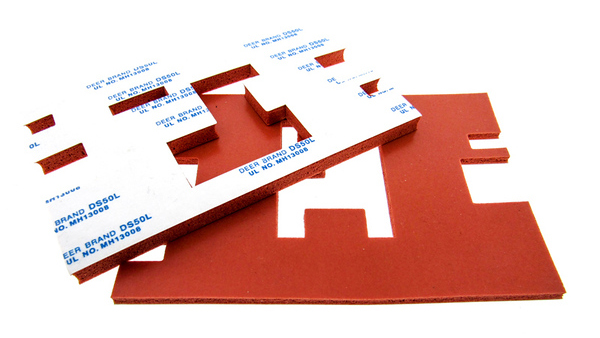
The most popular form of mounting for flexible heaters is pressure sensitive adhesive (PSA). PSA is a relatively thin flexible material with single- or double-sided coating. PSA bonds easily to a variety of clean and dry surfaces with pressure. PSA is self-bonding, as it does not need other materials (solvents or water) to activate the adhesive. The bond is directly influenced by the amount of pressure which is used to apply the adhesive to the surface. PSA is a popular solution due to its ease of use and its low cost compared to traditional mounting systems. Further advantages for PSA include uniform thickness, thinner and lighter materials, cosmetically appealing as opposed to mechanical fasteners, and overall reduction of assembly time.
The type of adhesives recommended for flexible heater PSAs are acrylic and silicone. Both are exceptional for high heat applications. Acrylic is the more cost effective of the two, but silicone offers the highest performance of the two with temperature resistance, shear, and solvent/UV resistance. Rubber is another option for an adhesive, but it is not recommended for high heat applications.
At a Glance: Flexible Heater Mounting Methods
- Pressure Sensitive Adhesive (PSA) is the most common flexible heater mounting method, offering a thin, lightweight, cost-effective solution that bonds directly to clean, dry surfaces.
- Acrylic and silicone adhesives are preferred for high-temperature applications, with silicone providing the greatest resistance to temperature, shear, solvents, and UV exposure.
- Additional mounting options such as RTV silicone, rubber grommets, nylon snap bushings, and Velcro fasteners address specific installation, protection, and maintenance requirements.
Additional Mounting Options
Room Temperature Vulcanizing (RTV) silicone is a silicone rubber that is generally supplied as a one-part system with a wide viscosity range. It’s comprised of organic and inorganic compounds that make it one of the most stable organic adhesive products available today.
These adhesives are resistant to high temperatures and are extremely flexible compared with other industrial adhesives. RTV silicone adhesives have many advantageous properties. They are incredibly flexible (depending on the temperature) and have a wide operating temperature range. They are resistant to harsh weather conditions, humidity, mold, and mildew. RTV Silicones have a 40-year life span and a high degree of elongation; they are easy to dispense, even in cold temperatures, and are VOC compliant with excellent UV and thermal stability properties.
Rubber Grommets
Rubber grommets are designed to eliminate risk for flexible heater chaffing on installs that feature rough edges or sharp cutouts. Keep your flexible heaters protected with flexible grommets by easily snapping the grommet into place around the flexible heater and bonding substrate. This grommet solution is manufactured for easy installation and provides your application with extra protection for a long-lasting electrical solution.
Snap Nylon Grommets
Standard nylon snap bushings protect flexible heaters from chafing against sharp edges. Bushings are made to withstand push back force of up to 35 pounds.
Velcro Fasteners
Velcro fasteners are easy to use, safe, and maintenance free. There is only a minimal decline in effectiveness even after many fastenings. One notable disadvantage is that Velcro fasteners tend to accumulate hair, dust, and fur in their hooks after a few months of regular use. The loops can become elongated or broken after extended use. The hooks often become attached to articles of clothing, especially loosely woven items like sweaters.
Frequently Asked Questions
Quick Links
- Why is Pressure Sensitive Adhesive (PSA) the most common mounting method for flexible heaters?
- What is the difference between acrylic and silicone adhesive systems?
- When should RTV silicone be used for mounting flexible heaters?
- What purpose do rubber grommets and nylon snap bushings serve?
- Are Velcro fasteners a good mounting option for flexible heaters?
Why is Pressure Sensitive Adhesive (PSA) the most common mounting method for flexible heaters?
PSA is widely used because it is easy to apply, cost-effective, and compatible with a variety of clean, dry surfaces. The adhesive bonds through applied pressure and does not require solvents, water, or other activation methods. PSA also provides a uniform mounting thickness while reducing assembly time compared to many traditional fastening methods. Its thin profile helps maintain the flexibility and lightweight characteristics of the heater.
What is the difference between acrylic and silicone adhesive systems?
Both acrylic and silicone adhesives are suitable for high-temperature flexible heater applications. Acrylic adhesives are generally the more economical option while still providing strong bonding performance. Silicone adhesives offer higher performance in demanding environments, including greater temperature resistance, improved shear strength, and enhanced solvent and UV resistance. The choice depends on the application's environmental and performance requirements.
When should RTV silicone be used for mounting flexible heaters?
Room Temperature Vulcanizing (RTV) silicone is often selected when flexibility, environmental resistance, and long-term durability are important. The material offers resistance to high temperatures, humidity, mold, mildew, and harsh weather conditions. According to the source, RTV silicone also provides excellent UV and thermal stability along with a long service life. These characteristics make it suitable for demanding industrial and outdoor applications.
What purpose do rubber grommets and nylon snap bushings serve?
Rubber grommets and nylon snap bushings are used to protect flexible heaters from chafing and damage caused by sharp edges, rough openings, or cutouts. Rubber grommets can be installed around the heater and bonding substrate to create additional protection in vulnerable areas. Nylon snap bushings serve a similar purpose and are designed to withstand push-back forces of up to 35 pounds. Both options help improve installation durability and heater longevity.
Are Velcro fasteners a good mounting option for flexible heaters?
Velcro fasteners provide a reusable, maintenance-free mounting solution that is simple to install and remove. They maintain much of their effectiveness through repeated attachment cycles and offer flexibility when heaters require repositioning or servicing. However, the source notes that Velcro can collect dust, hair, and other debris over time. The loops and hooks may also experience wear after extended use, making it important to evaluate long-term maintenance requirements.
Maximize Your Flexible Heater's Performance with the Right Mounting!
Pressure Sensitive Adhesive (PSA) is the go-to mounting method for flexible heaters, offering an easy, efficient, and cost-effective solution. Choose between high-performing acrylic or silicone adhesives, with the latter boasting superior resistance attributes.
Request a Quote Request Design Support Request More InformationRequest a FREE Quote!
We are here to help with all your custom flex heater needs.
Get Your Quote Now! Not Ready for a Quote? Request more info or email us your inquiry.