


Medical Device Cables
Today's medical device and life science instrument market requires cable manufacturers to produce technologically advanced medical cables that are built to exacting specifications.
Companies in this market must comply with stringent regulations, which are intended to ensure delivery of high quality products on a repeatable basis. Epec provides engineering and manufacturing services or interconnect solutions resulting in rapid development of cost-effective products, while adapting to fluctuating demand for medical device OEMs.
Our advanced solutions include ruggedized reusable assemblies, ergonomic/lightweight constructions and cost-optimized disposables that are designed to meet custom requirements for a variety of medical device markets. All of these services are provided in vertically integrated ISO 13485 and ISO 9001 certified and FDA compliant environment. See our blog post on cable assembly sterilization techniques for more information.
At a Glance: Medical Device Cables
- Medical device cable assemblies must deliver consistent performance while meeting stringent quality, regulatory, sterilization, and traceability requirements.
- Custom medical cables can be engineered for reusable, disposable, lightweight, high-flex, non-magnetic, and sterilization-resistant applications across a wide range of medical devices.
- Vertical integration, ISO 13485 and ISO 9001 certified manufacturing, and FDA-compliant processes help ensure quality, responsiveness, and cost-effective production.
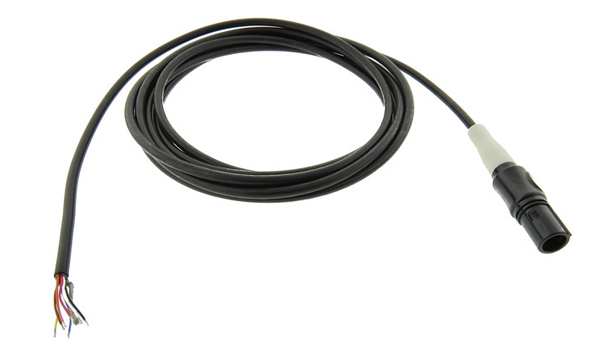
Medical Cable Capabilities
- Cable design and manufacture
- Connector design and manufacture, or build to print
- Custom overmolding
- Non-magnetic connectors, cables and assemblies
- Disposable/Reusable cable designs
- Moisture proofing to IP standards
- Low noise shielding
- Resistance to steam, gamma, ETO and other sterilization methods
- High temperature insulators
- Hi-Flex and long-life cable designs
- Potting and pressure testing
- Chemical Resistance
- Serialization and lot control
- Statistical process control
- Medical-grade materials - including TPE, polyurethane and silicone
- EMI suppression
Medical Applications
- X-ray & Magnetic Resonance Imaging (MRI)
- Circulatory Assist Devices
- Electrosurgery Cables
- Defibrillators
- SpO2 Disposable and Reusable Cables
- Pulse Oximeters
- Patient Monitoring Equipment
- Medical Diagnostic Equipment
- Medical Imaging
- Ultrasound Probes
- Telemetry Cables
Epec’s Advantage In Medical Cable Assemblies
From cable design, tooling, and overmolding to assembly, Epec keeps all steps of production in-house. Our vertically integrated approach means we have absolute control over quality, ensuring that the end product meets our exacting standards and those of our customers. It also means we can react quickly to customer demands and maintain aggressive production schedules while keeping costs at a competitive level.
- World-Class Manufacturing Facilities
- Quick-Turn Prototyping
- Engineering Expertise
- High Mix, Low-Medium Volume
- Global Supply Chain
- Customer Service Flexibility
- Vertical Integration Ensures High Quality and Lower Costs
For more information see our blog post on the future of wire harnesses and cables assemblies in medical devices.
Frequently Asked Questions
Quick Links
- What makes medical device cable assemblies different from standard cable assemblies?
- Can medical cable assemblies be designed for sterilization?
- What materials are commonly used in medical cable assemblies?
- Which medical applications use custom cable assemblies?
- Why is vertical integration important for medical cable manufacturing?
What makes medical device cable assemblies different from standard cable assemblies?
Medical device cable assemblies must meet strict reliability, safety, traceability, and regulatory requirements that are often more demanding than those of commercial applications. They are frequently exposed to sterilization processes, harsh cleaning chemicals, repeated flexing, and critical operating environments where failure is not an option. Materials, manufacturing controls, and testing procedures must be carefully selected to support consistent performance. As a result, medical cables require specialized engineering and quality systems throughout development and production.
Can medical cable assemblies be designed for sterilization?
Yes. Medical cable assemblies can be engineered to withstand a variety of sterilization methods, including steam, gamma radiation, ethylene oxide (ETO), and other commonly used processes. Material selection is critical because repeated sterilization cycles can affect mechanical performance, flexibility, and durability. Medical-grade insulators, overmolding materials, and connector designs are chosen to maintain performance after sterilization exposure. Designing for sterilization early in the development process helps improve product longevity and reliability.
What materials are commonly used in medical cable assemblies?
Medical cable assemblies often utilize materials such as thermoplastic elastomers (TPE), polyurethane, and silicone because they provide flexibility, durability, biocompatibility, and resistance to harsh operating conditions. Material selection depends on the application's environmental requirements, sterilization method, flexibility needs, and expected service life. Specialized materials may also be used to improve chemical resistance, reduce noise, or support high-temperature operation. Choosing the correct material is essential for both performance and regulatory compliance.
Which medical applications use custom cable assemblies?
Custom medical cable assemblies are used across a broad range of healthcare and life science equipment. Common applications include MRI and X-ray systems, ultrasound probes, patient monitoring equipment, pulse oximeters, defibrillators, diagnostic instruments, telemetry systems, circulatory assist devices, and electrosurgical equipment. Each application has unique electrical, mechanical, and environmental requirements that influence cable design. Custom engineering helps ensure the assembly performs reliably within its intended medical environment.
Why is vertical integration important for medical cable manufacturing?
Vertical integration allows a manufacturer to maintain control of critical processes such as design, tooling, overmolding, assembly, testing, and quality assurance. Keeping these functions in-house improves communication between engineering and production teams, accelerates development timelines, and helps maintain consistent quality standards. It also provides greater flexibility when responding to design changes, fluctuating demand, or production challenges. For medical device OEMs, this level of control can help reduce risk while supporting faster time-to-market.
Reliable Cable Assemblies for Medical Devices
Achieve precision and compliance in your medical devices with Epec's customized cable assemblies. ISO and FDA certified.
Request a Quote Request Design Support Request More InformationRequest a FREE Quote!
We are here to help create a cable assembly that will exceed your requirements.
Get Your Quote Now! Not Ready for a Quote? Request more info or email us your inquiry.